
Heat Waves & Hardwood Looks: 7 Installation Tips Every Homeowner Should Know
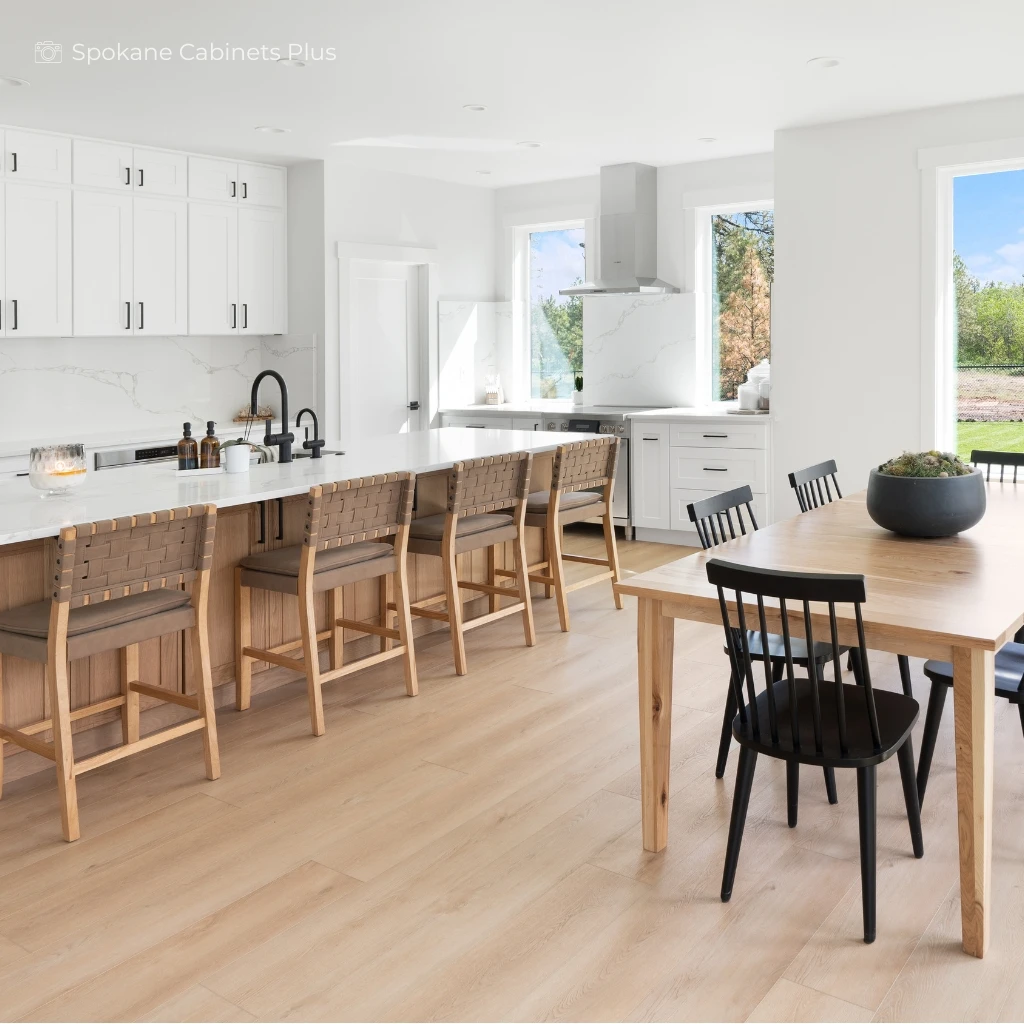
Record Summer Heat? Here’s Why Proper Flooring Acclimation Matters More Than Ever
Across much of the United States, homeowners are experiencing record-breaking summer temperatures. While most people think about staying cool and protecting their air conditioning systems, many don’t realize that extreme heat can also affect flooring installation and long-term performance.
Whether you’re installing SPC, WPC, laminate, glue-down LVP, or loose lay flooring, one of the most overlooked steps in the installation process is proper acclimation.
What Is Acclimation?
Acclimation is the process of allowing flooring materials to adjust to the normal living conditions of the home before installation.
Although many of today’s flooring products are engineered to perform exceptionally well in a wide range of environments, they still respond to changes in temperature and humidity. Allowing the flooring to reach equilibrium with the jobsite helps minimize unnecessary movement after installation.
Why Extreme Heat Matters
During periods of excessive heat, it’s common for:
- Flooring cartons to arrive in delivery trucks exceeding 120°F.
- Products to be stored temporarily in hot garages or warehouses.
- Homes under construction to have little or no climate control.
- Interior temperatures to fluctuate dramatically before HVAC systems become operational.
Installing flooring before it has acclimated to the home’s normal living conditions can increase the likelihood of installation-related issues.
Floating Floors Need Room to Move
Floating flooring systems—including SPC, WPC, and laminate—are designed to naturally expand and contract as environmental conditions change.
That’s why proper expansion gaps around walls, cabinetry, pipes, and other fixed objects are essential. Without adequate expansion space, seasonal movement can place stress on the locking system and may contribute to issues such as:
- Buckling
- Peaking
- Gapping
- Joint stress
- Floor movement
These issues are often installation-related rather than product-related.
Climate Control Is Just as Important as Acclimation
Acclimation isn’t simply about waiting a certain number of hours. The installation environment itself must also be properly conditioned.
Before installation:
- HVAC systems should be fully operational whenever possible.
- Interior temperatures should be maintained within the ranges specified in the installation instructions.
- Relative humidity should remain stable.
- The subfloor should meet all moisture requirements before installation begins.
These conditions should continue during installation and after the project is complete to help ensure long-term floor performance. Lions Floor installation guides provide specific temperature ranges and acclimation periods for each product category.
A Few Simple Best Practices
Whether you’re a homeowner or professional installer:
- Don’t install flooring immediately after delivery if it has been exposed to excessive heat or cold.
- Store flooring indoors in the room where it will be installed.
- Operate the home’s HVAC system before, during, and after installation.
- Avoid storing flooring in garages, enclosed trailers, or other uncontrolled environments.
- Always verify subfloor moisture conditions before installation.
- Follow the acclimation requirements outlined in the product’s installation instructions.
A Little Preparation Goes a Long Way
Today’s flooring products are designed for exceptional durability and long-term performance. However, even the highest-quality flooring depends on proper jobsite preparation and installation.
By taking the time to acclimate flooring and maintain recommended environmental conditions, installers and homeowners can help ensure the floor performs as intended for years to come.
At Lions Floor, we encourage every installer and homeowner to carefully follow the installation instructions specific to their flooring product. Proper acclimation, moisture testing, and environmental control are among the simplest—and most important—steps in achieving a beautiful, long-lasting floor.